UM-Flint’s HEART Clinic: Where Compassion Meets Community Care

Students helping a clinic patient practice using stairs
For Flint and Genesee County residents who are uninsured or underinsured, the University of Michigan–Flint’s HEART Clinic (Health, Equity, Action, Research, and Teaching) is a lifeline—providing free physical and occupational therapy while training the next generation of healthcare professionals through hands-on care.
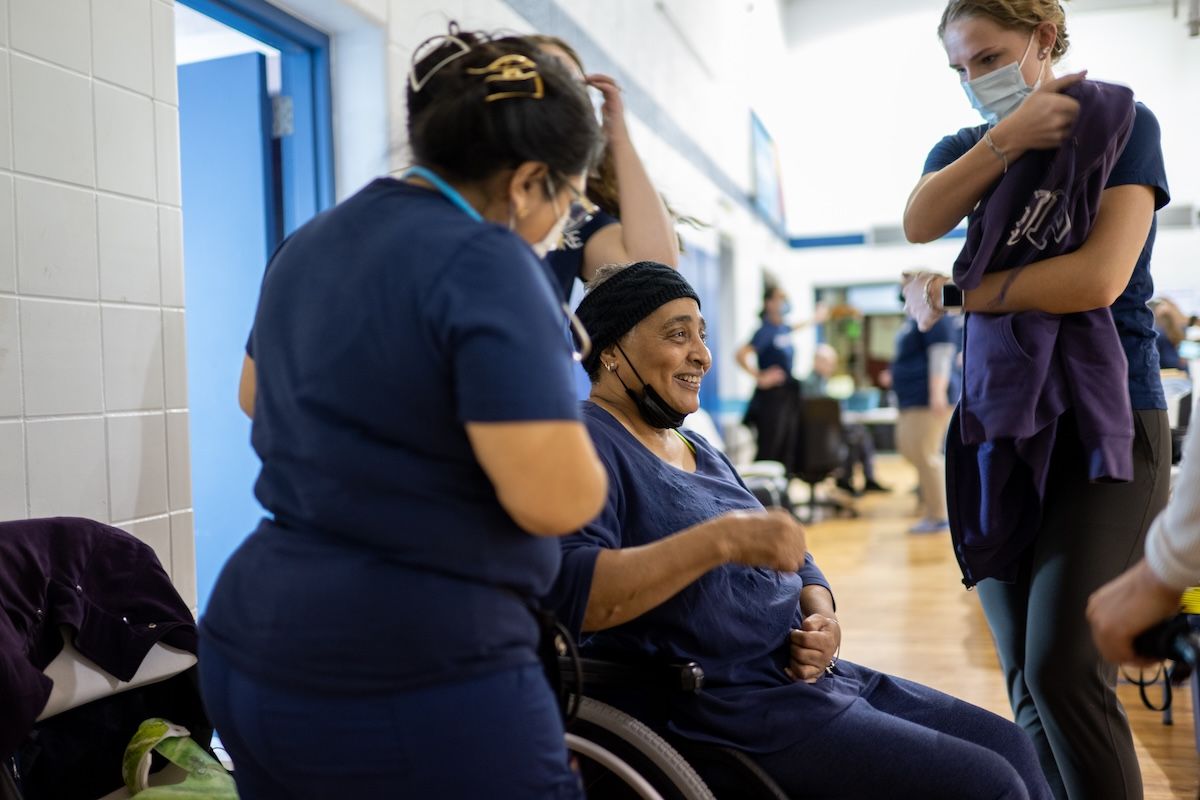
Students work with a patient who uses a wheelchair

A Mission Built on Equity

Founded in 2010 by Amy Yorke, associate professor of physical therapy, HEART began as a pro bono clinic at the North End Soup Kitchen. Now located at the Insight Health Center, it has expanded its ability to serve more patients.

Each Friday, UM‑Flint physical therapy, occupational therapy, and nursing students work alongside faculty and licensed clinicians to deliver individualized care for people managing mobility limitations, chronic conditions, or stroke recovery.

“When you give patients a sense of purpose again, it’s really meaningful,” Yorke says.

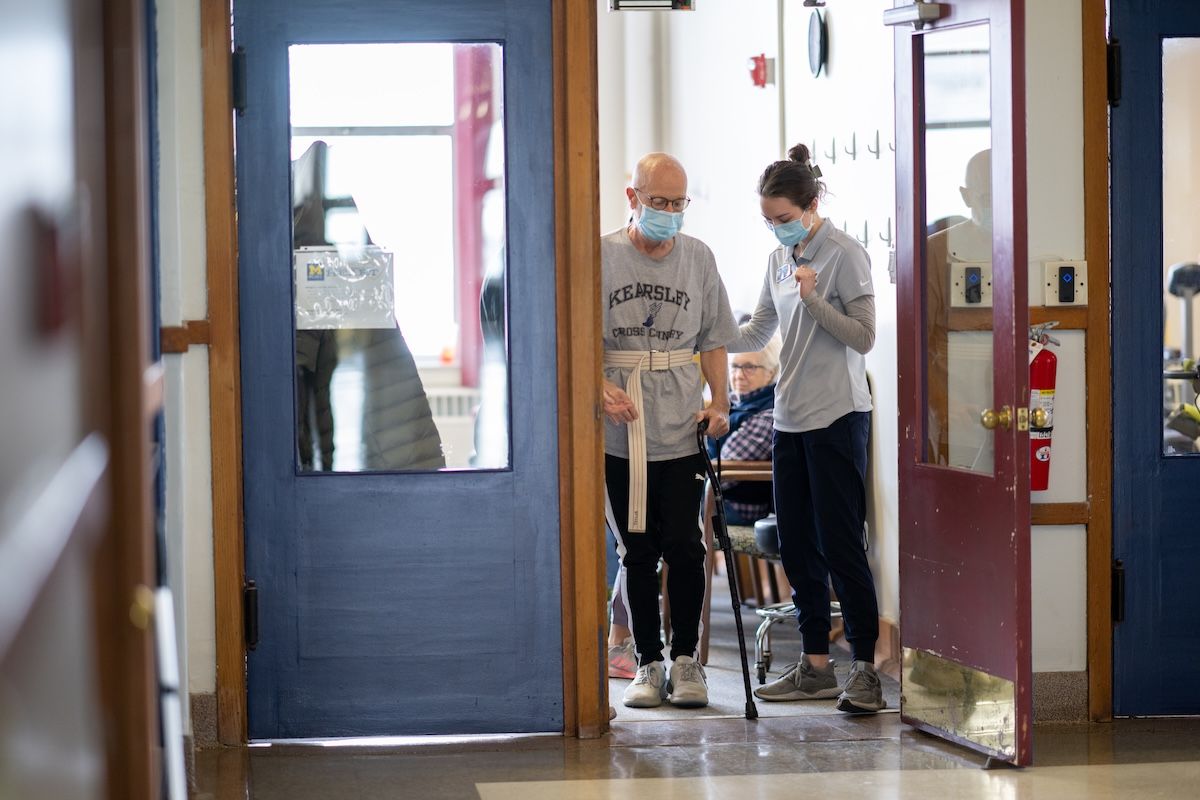
A student works with a patient who uses a cane

Real Progress, Real People
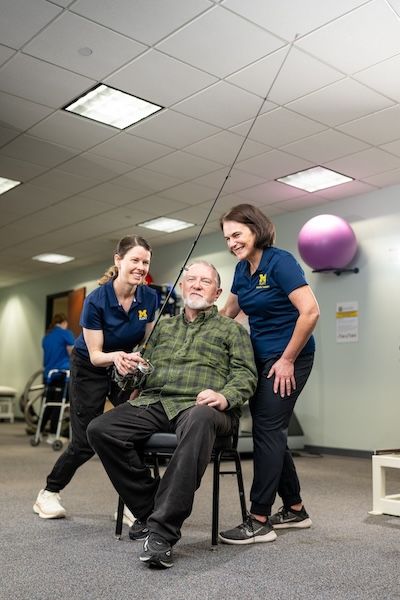
A professor and student help a patient use a fishing pole

Patients often arrive with significant mobility challenges, and many make measurable gains through supervised rehabilitation—sometimes progressing from wheelchairs to walking independently. The clinic also offers condition-specific support like a weekly Parkinson’s exercise class and virtual classes every other Saturday to reduce barriers to access.

A Classroom Without Walls

HEART is also a high-impact learning environment. Students practice clinical skills—assessment, safety, treatment planning—while building communication, teamwork, and empathy. Interprofessional collaboration is central: nursing students monitor vitals while therapy students lead mobility and strengthening programs.

Initiatives like MoveMore use heart-rate–guided walking training for stroke survivors, and Active Hearts uses Fitbit data to better personalize care outside the clinic.
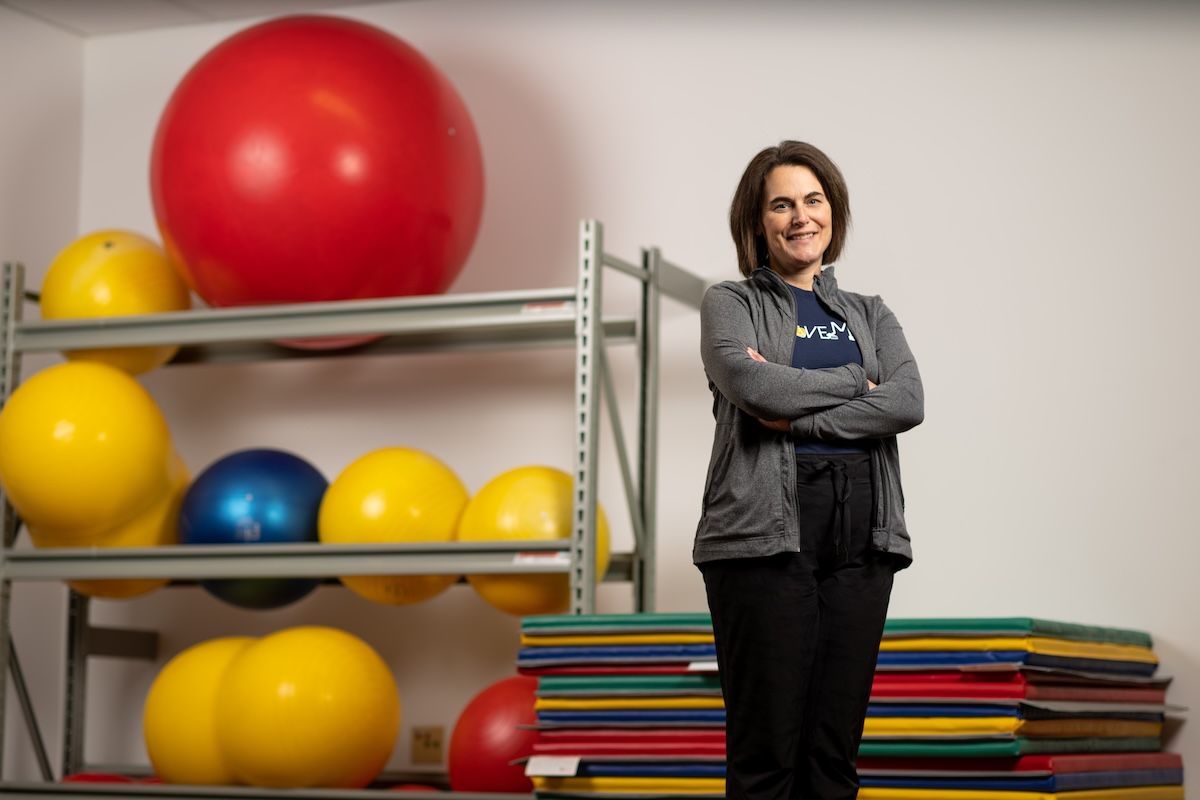
Professor Amy Yorke stands in front of colorful mats and a rack of exercise balls

Why This Matters

Free therapy services improve mobility, independence, and quality of life for community members who might otherwise go without care.
Students graduate better prepared, with real clinical experience and team-based training.

Research and community engagement help strengthen and scale what works in community-centered care.

Through HEART, UM‑Flint advances public good in a tangible way—where compassionate care, education, and community partnership move forward together.

Impact Areas featured in this story

Through our vision, U-M is striving to make demonstrable advancements for the greater good in five distinct impact areas. The following are highlighted in the story above.